
Water is a precious resource in San Diego County, and rates keep climbing. The good news is that most households can cut their water use noticeably without sacrificing comfort. Many of the biggest savings come from fixing hidden leaks, using irrigation more efficiently, and making smart choices indoors. Learning how to save water at home also lowers your bills and reduces strain on local supplies. Here’s a practical, room-by-room guide for homeowners who want to use less water starting today.
Find and Fix Leaks to Save Water at Home
Leaks are the most overlooked source of waste. A silent toilet leak could waste hundreds of gallons a day, and you can check for one by adding a few drops of food coloring to the tank and waiting fifteen minutes without flushing. Check faucets, showerheads, hose bibs, and the connections under sinks, and look at the washing machine hoses and garden hose connections at the spigot, since small drips there waste gallons all season. Test your meter by turning off everything that uses water and watching whether it still moves. A moving meter means water is escaping somewhere, possibly in an irrigation line or underground. Replace worn flappers, washers, and hoses promptly, since these repairs are cheap and the savings start immediately. Many water utilities show your daily or hourly use online, which can reveal leaks you’d never notice from a monthly bill.
Cut Indoor Water Use
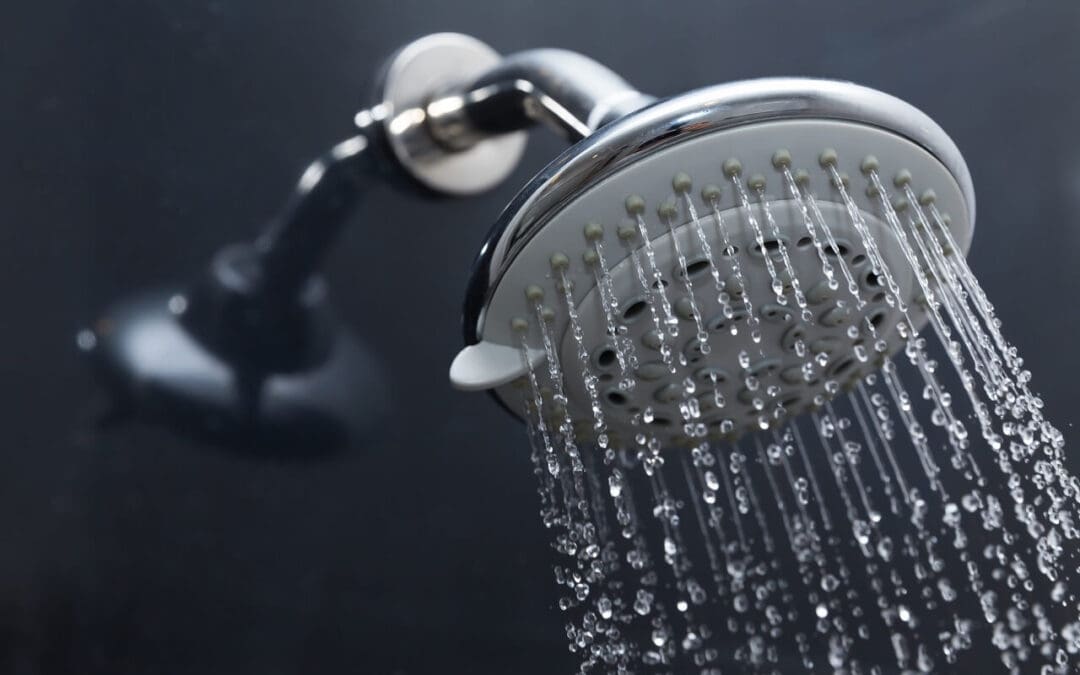
Small changes indoors add up when you save water at home. Install low-flow showerheads rated at two gallons per minute or less, and add faucet aerators. Replace older toilets with models that use 1.28 gallons per flush or less, since older ones often use several times as much. Run the dishwasher and washing machine only with full loads, and choose efficient models when you replace them, since newer machines can use far less water than older ones. Take shorter showers, and turn off the tap while brushing teeth or shaving. Insulate hot water pipes so you don’t waste water waiting for it to warm. If you have a hot water recirculation system, consider a timer. Keep a pitcher of drinking water in the refrigerator instead of running the tap until it’s cold.
Smart Irrigation and Landscaping to Save Water at Home
In Southern California, outdoor watering often accounts for half or more of a household’s water use, so this is where the biggest savings are. Install a smart irrigation controller that adjusts for weather, and switch to drip irrigation for plants, shrubs, and trees. Water early in the morning, avoid watering when it’s windy, and adjust schedules each season. Fix broken or misdirected sprinkler heads, and check zones for leaks. Run the system manually once a month to spot geysers, clogged emitters, and heads spraying the sidewalk. Spread three inches of mulch to reduce evaporation. Replace thirsty lawn with native and drought-tolerant plants, and check whether your water agency offers rebates for turf replacement, smart controllers, or rain barrels. Group plants by water needs so each zone gets what it requires, and test the system each month for leaks or clogged emitters.
Pools, Spas, and Everyday Habits
A pool can lose a surprising amount of water to evaporation. A pool cover cuts that loss significantly, and keeping the water at the proper level avoids both overfilling and pump problems. Check for leaks if you’re adding water often, and reduce backwashing when you can. Use a bucket to wash vehicles, put a shutoff nozzle on hoses, and sweep patios and driveways with a broom instead of a hose, and wash your car at a commercial car wash that recycles water. Collect the cold water that runs while you wait for the shower to warm, and use it for plants. Check local rules before using graywater. Make it a household habit to save water at home, and track your monthly bill to see the progress. Teach everyone in the household to look for drips and report them, since small leaks are easier to catch when everyone is watching.
Frequently Asked Questions (FAQs)
How can I tell if I have a leak?
Turn off all water use and check whether your meter moves. A food coloring test in the toilet tank checks for silent leaks.
Are low-flow fixtures worth it?
Yes. They’re inexpensive and can cut indoor water use significantly without hurting comfort, and many water agencies offer rebates.
How much water does a lawn use?
Outdoor watering is often half or more of a household’s total use in dry climates, so landscaping changes can produce the biggest savings.
Are there rebates?
Many local water agencies offer rebates for efficient toilets, smart controllers, rain barrels, and turf replacement. Check with yours before you buy.
When is the best time to water?
Early morning, when evaporation and wind are lowest. Avoid midday and windy periods.
The Property Inspection Pros provides home inspection services in the San Diego area. Contact us to schedule an inspection today!
Recent Comments