
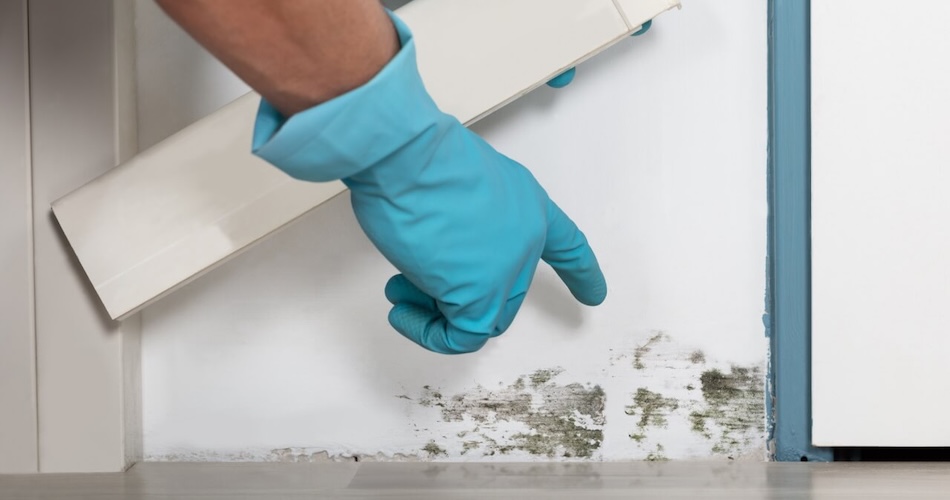
Mold growth begins quietly, behind a wall, under a floor, inside a ceiling cavity, and often communicates its presence through signs that homeowners either overlook or attribute to something else entirely. By the time visible mold becomes obvious, it has usually been growing for weeks or months. Learning to recognize the earlier and less obvious signs of mold allows homeowners to respond before a manageable situation becomes a significant remediation project.
Why Recognizing Mold Growth Early Changes the Outcome
The difference between catching mold growth early and discovering it late is often measured in thousands of dollars and weeks of disruption. Mold identified when it has established on a single surface is a very different remediation challenge than mold that has spread through wall cavities or deteriorated structural materials over months. The damage mold causes compounds over time, making early recognition the most powerful tool for managing it. Mold needs three things: a food source, the right temperature, and moisture. Homes provide abundant food sources in wood framing, drywall, and carpet. Temperature ranges throughout a typical home align with mold’s preferred conditions. That leaves moisture as the variable most likely to reveal itself before mold becomes visible.
Physical Signs of Mold Growth in Your Home
The most direct sign of mold growth is visible discoloration. Mold can present as white, gray, green, brown, or black patches depending on the species and surface. Any unusual discoloration on walls, ceilings, grout lines, caulk, or visible wood that wasn’t there before warrants closer examination. Peeling, bubbling, or warping paint and wallpaper are often signs of moisture accumulation behind a surface. If paint is separating from drywall without an obvious cause, the moisture is often coming from inside the wall. Visible water staining is a direct indicator of moisture intrusion. Even when a stain appears dry, if the moisture source wasn’t addressed, mold growth may be active behind the surface. Old stains without confirmed resolution should always be investigated rather than painted over.
The Sensory Signs That Suggest Mold Growth Before It’s Visible
The musty odor associated with mold is one of the most reliable early warning signs, often detectable before any visible growth appears. The odor is produced by volatile organic compounds released during active mold growth and is most noticeable when entering a closed room, opening a closet, or in areas with limited air circulation. If you notice the smell consistently in a specific area, that area warrants investigation. Mold growing inside wall cavities, under flooring, or within HVAC systems produces an odor that travels through the home before surface growth appears. Health symptoms that improve when leaving the home and return upon re-entering are another sign worth taking seriously. Persistent nasal congestion, eye irritation, coughing, or worsening asthma that tracks with time spent at home are meaningful indicators that indoor air quality may be compromised by mold growth.
Where to Look for Mold in the Areas Most Likely to Harbor It
Mold growth follows moisture, which concentrates in predictable locations. Bathrooms, around tubs, showers, sink bases, and toilet supply lines, are among the most common locations. Check grout lines, caulk joints, under bath mats, and behind toilets. Kitchens concentrate moisture through cooking and dishwasher operation. Check under the sink cabinet, around the dishwasher, and along the wall behind the refrigerator. Basements and crawl spaces are high-risk zones due to limited ventilation and potential for water intrusion. Efflorescence on basement walls signals ongoing moisture movement that creates favorable conditions for mold growth. Attics with inadequate ventilation or bathroom exhaust fans that vent inside rather than to the exterior are other locations where mold growth establishes before homeowners notice. A periodic visual inspection of attic sheathing and framing for dark staining is a worthwhile maintenance habit.
Frequently Asked Questions (FAQs)
What does mold growth actually look like, and how do I identify it?
Mold growth appears as discoloration in a range of colors depending on the species and substrate. It may appear as spots, patches, or fuzzy growth with a slightly irregular texture compared to dirt or staining. If you’re unsure, avoid touching it with bare hands and consider professional assessment. The musty odor that often accompanies mold is a useful additional indicator.
Can mold make my family sick?
Yes, mold exposure can cause nasal and throat irritation, coughing, eye irritation, and worsening of asthma or allergy symptoms. More sensitive individuals may experience more pronounced effects. Mold should be taken seriously as a health concern, not just a cosmetic one.
If I see mold growth on the surface, how do I know how extensive it is?
Surface mold is often just the visible tip of a larger problem. A small patch on drywall may indicate mold on the back of the drywall and on the framing behind it. A professional mold inspection using moisture meters and thermal imaging can assess the extent of mold.
Should I clean the mold myself or call a professional?
Small, isolated mold on non-porous surfaces can typically be cleaned with diluted bleach while wearing gloves and a respirator. Mold on porous materials like drywall or wood, coverage over ten square feet, or mold in HVAC systems warrants professional remediation. DIY cleaning without addressing the moisture source will spread the problem further.
How long does it take for mold to establish after moisture exposure?
Mold can begin establishing itself within 24 to 48 hours of moisture exposure. This is why a prompt response to water damage is critical.
The Property Inspection Pros provides home inspection services, including mold inspections, in the San Diego area. Contact us to schedule an inspection today!