
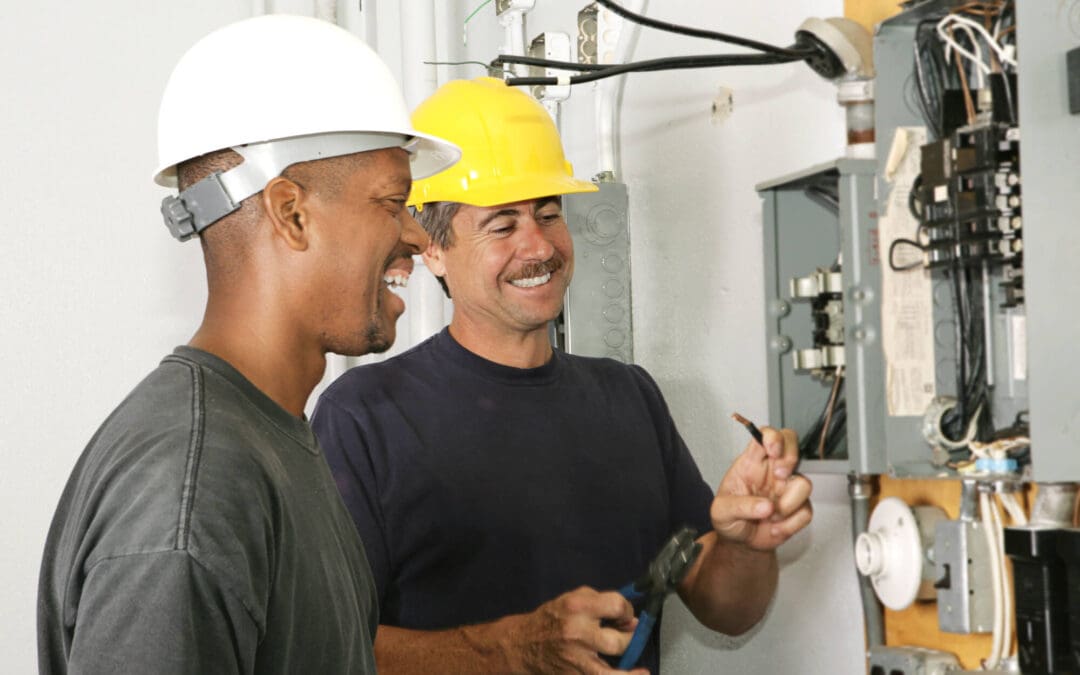
Knowing when to hire an electrician is one of the most important judgment calls a homeowner makes. Electrical work sits in a uniquely dangerous category because the consequences of doing it incorrectly aren’t always immediate. A failed plumbing repair announces itself with water. A failed electrical repair may pass unnoticed for months before causing a fire, shock, or a system failure. The homeowners who avoid the worst outcomes are the ones who know which tasks genuinely require a licensed professional.
The Work That Always Requires You to Hire an Electrician
Some electrical tasks are categorically beyond DIY, not because they require unusual skill, but because they carry risks that don’t diminish with confidence, and because they require permits and inspections that protect homeowners legally and financially. Panel work is the clearest example. Work inside the panel involves exposure to bus bars that remain live even when the main breaker is off. This is where fatalities occur, and it’s where you should always hire an electrician. A licensed electrician performing panel work pulls the necessary permits, the work is inspected, and the homeowner has documented proof of code-compliant installation that protects them at resale and in insurance claims.
Service upgrades, such as increasing the home’s electrical service from 100 to 200 amps, require coordination with the utility company in addition to panel work and inspection. This is a multi-party process a licensed electrician navigates routinely, and a homeowner cannot initiate independently. New circuit installation for high-draw appliances requires a permit in virtually every jurisdiction. Unpermitted electrical work creates real problems at resale and when an inspector discovers work not done to code. The cost of hiring an electrician for permitted new circuit work is almost always recovered in avoided headaches.
Warning Signs That Warrant Professional Help
Breakers that trip repeatedly when specific appliances run indicate a regularly overloaded circuit. Resetting without investigating doesn’t fix anything. A licensed electrician will assess whether the circuit needs to be dedicated, whether the panel has capacity for an additional circuit, or whether the wiring condition is contributing. Outlets or switch plates warm to the touch, a persistent burning smell, flickering lights not explained by a loose bulb, and outlets that spark when devices are plugged in all warrant a call to an electrician rather than a note to address later. Each could indicate wiring problems invisible at the surface and consequential if left unaddressed.
Aluminum wiring, found in many homes built between 1965 and 1973, requires professional assessment. It expands and contracts differently than copper, can loosen at connections over time, and has been associated with higher fire risk. A licensed electrician can recommend appropriate remediation specific to the home’s wiring configuration.
The Cost and Value of Choosing to Hire an Electrician
The financial case for hiring an electrician is more compelling than many homeowners assume when they’re considering the DIY alternative. Permitted electrical work adds documented value to the home; buyers and their agents notice unpermitted work, and retroactively permitting it is typically far more expensive than the original permit would have been. Homeowner’s insurance policies often limit coverage for fires attributable to unpermitted or non-code-compliant work, meaning the savings from a DIY electrical project can be erased by a single claim denial. Licensed electricians carry liability insurance and are bonded, meaning that if their work causes damage, there’s a clear path to remedy.
Frequently Asked Questions (FAQs)
How do I find a qualified electrician and what should I look for?
Look for a licensed electrician with documented training and examination. Verify they carry general liability insurance and workers’ compensation coverage. Ask for references from recent similar projects. Get at least two written bids to understand what each scope includes and whether both are addressing the same problem the same way.
What electrical work can homeowners do themselves legally?
Most areas permit homeowners to replace like-for-like fixtures, such as swapping a light fixture or replacing an outlet or switch, without a permit. Work that adds circuits, changes service capacity, or alters the system beyond like-for-like almost always requires a permit and a licensed electrician. When in doubt, call your local building department before work begins.
What permits are required when I hire an electrician and why do they matter?
Most new electrical work requires a permit that triggers a code official inspection confirming the work was done correctly. The permit protects the homeowner at resale and in insurance situations. A licensed electrician pulls permits as routine; if an electrician proposes significant new work without permits, find a different electrician.
How do I know if my home’s wiring needs professional attention even if nothing seems wrong?
Homes with knob and tube wiring, found before roughly 1940, or aluminum branch circuit wiring from 1965 to 1973 warrant professional assessment regardless of apparent function. Homes more than 40 years old that have never had an electrical inspection are good candidates for a professional review, particularly before renovations that will expose wiring.
The Property Inspection Pros provides home inspection services in the San Diego area. Contact us to schedule an inspection today!