
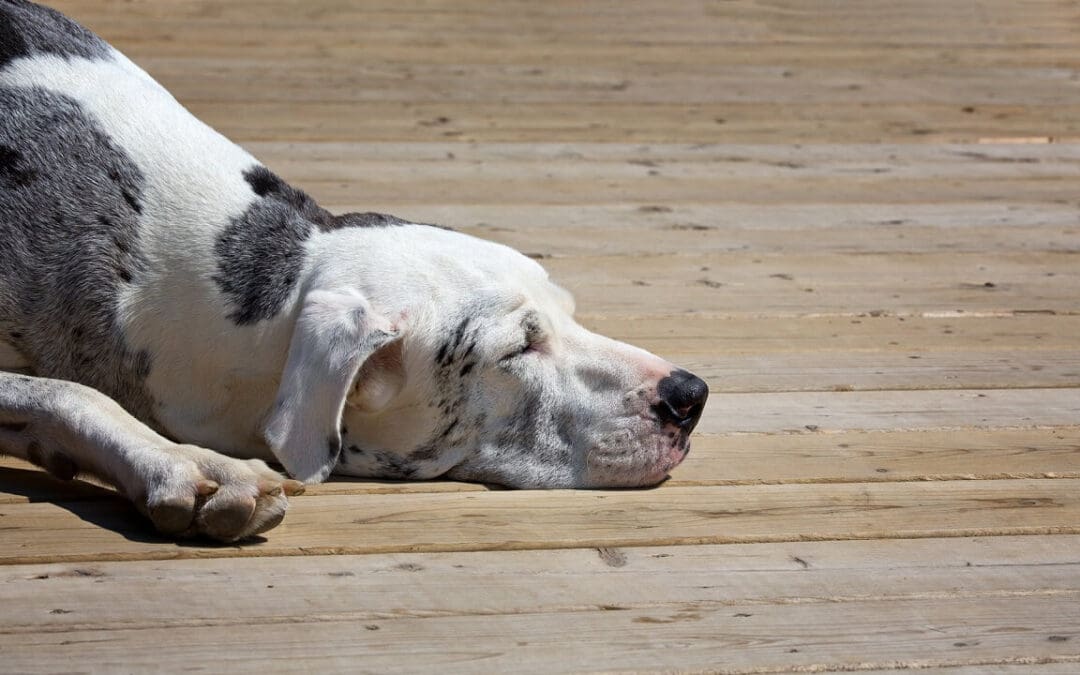
A backyard deck is one of the most used and most loved features a family home can have, a place for morning coffee, afternoon playtime, and evening gatherings. But for households with young children and pets, a deck also introduces safety considerations that deserve serious attention. Deck safety is creating an environment where everyone can enjoy it freely without unnecessary risk.
Why Deck Safety Is Essential for Families
Children and pets interact with a deck very differently from adults, and that difference creates hazards that aren’t always obvious. A toddler can squeeze through or fall between deck balusters or catch fingers on splinters from aging wood. A curious dog may push through a railing that isn’t properly secured or access the area beneath the deck where hazards lurk. The structural condition of the deck matters just as much as surface-level safety features. A deck that looks fine from above could have serious underlying issues that put everyone on it at risk. Deck safety begins with a sound structure, and a professional inspection every few years confirms that the foundation of your outdoor space is as solid as it appears.
Railings and Balusters Are the First Line of Deck Safety
For households with young children, railings and balusters are the most critical deck safety element. Current building codes require baluster spacing of no more than four inches, narrow enough to prevent a small child’s head from fitting through. If your deck was built before modern codes were in place, measuring the spacing is a worthwhile first step. Spaces wider than four inches can be addressed by adding balusters or installing mesh or plexiglass panels within the existing railing frame. Railing height is equally important, most codes require at least 36 inches for lower decks and 42 inches for higher ones. Check that railings are firmly anchored at post bases. A railing that wobbles when pressure is applied needs immediate attention. Children and pets lean against and push on railings regularly, and a failing connection is a serious deck safety hazard that often goes unnoticed until it’s too late.
Surface Condition and Heat Safety
The deck surface presents safety considerations that deserve regular attention. Aging wood decks develop splinters, raised fasteners, and rough patches that are painful and potentially harmful to bare feet and paws. Sand or refinish aging surfaces to restore a smooth, safe walking area. Check for fasteners that have worked their way above the surface level and drive them back flush. Composite and PVC decking eliminates splinter concerns but could become dangerously hot in direct summer sun, hot enough to cause burns on a child’s bare feet or a dog’s paws within seconds. If your deck gets significant direct sun, providing shade, adding outdoor rugs in play areas, or limiting access during peak hours protects small feet and paws from heat-related injury.
Gates, Access Points, and Under-Deck Deck Safety
A self-latching gate at the top of deck stairs is one of the most practical deck safety additions for households with young children and pets. It prevents unsupervised access to stairs, among the most common sources of deck-related injuries for toddlers and animals. Choose a gate that latches at a height children cannot reach and swings away from rather than toward the stairs. The area beneath the deck is a frequently overlooked deck safety concern. Debris, standing water, and hidden hazards accumulate in this space, and pets are drawn to explore it. Enclosing the under-deck area with lattice or solid skirting prevents access while also improving appearance and reducing moisture-related deterioration of the structure above.
Regular maintenance keeps every deck safety measure functioning as intended. Inspect the entire deck at the start of every outdoor season and address any issues promptly. A well-maintained deck is a safe deck, and the effort invested pays off in years of worry-free outdoor enjoyment for the whole family.
Frequently Asked Questions (FAQs)
What are the most important deck safety features for families with young children?
Properly spaced balusters of no more than four inches apart, adequate railing height, a self-latching gate at the top of stairs, and a smooth splinter-free surface are the most critical deck safety features. The structural integrity of the deck is the foundation on which everything else depends.
How often should I inspect my deck for safety concerns?
A thorough visual inspection should be done at the start of every outdoor season. A professional deck inspection every three to five years provides a more comprehensive evaluation of components not visible from the surface, including joists, ledger connections, and post bases.
How do I make my deck safer for pets?
Ensure baluster spacing prevents smaller pets from squeezing through, install a self-latching gate at the stairs, enclose the under-deck area to block access to hazards below, and check surface temperature on hot summer days before allowing pets onto composite or dark-colored decking that absorbs significant heat.
What should I do if my deck railings feel wobbly?
Address it immediately. Loose railings indicate a connection failure at the post base or within the railing frame and represent a serious fall risk. A qualified contractor can assess and repair the connection before someone gets hurt.
Can I add deck safety features to an existing deck without a full rebuild?
Yes, most improvements can be added without a full rebuild. Additional balusters can be installed within existing railing frames, self-latching gates can be added to stairways, under-deck skirting restricts access, and surface refinishing addresses splinter concerns.
The Property Inspection Pros provides home inspection services in the San Diego area. Contact us to schedule an inspection today!